Products
Explore our advanced sequencing products for turning complex molecular signals into high-confidence readouts across clinical testing, RNA quality control, and translational methylation programs.

We’re excited to share that Wasatch BioLabs has officially moved under the Renew Biotechnologies brand!
While our name and website are changing, the services, projects, contracts, laboratory operations, and team you rely on remain continuous. Renew Biotechnologies has always been the parent company, and this is not an acquisition, merger, ownership change, or change in management.
Browse Website


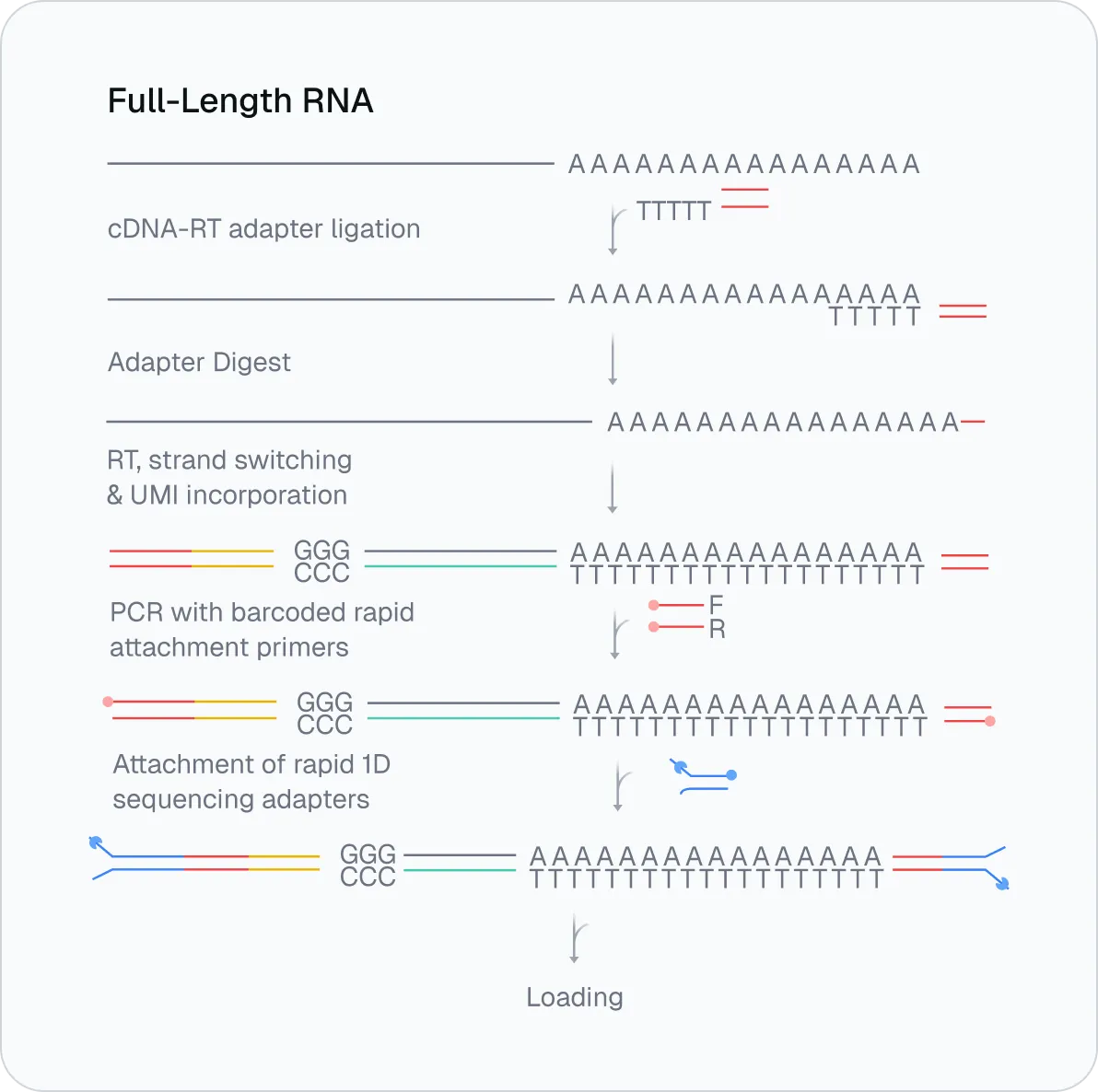
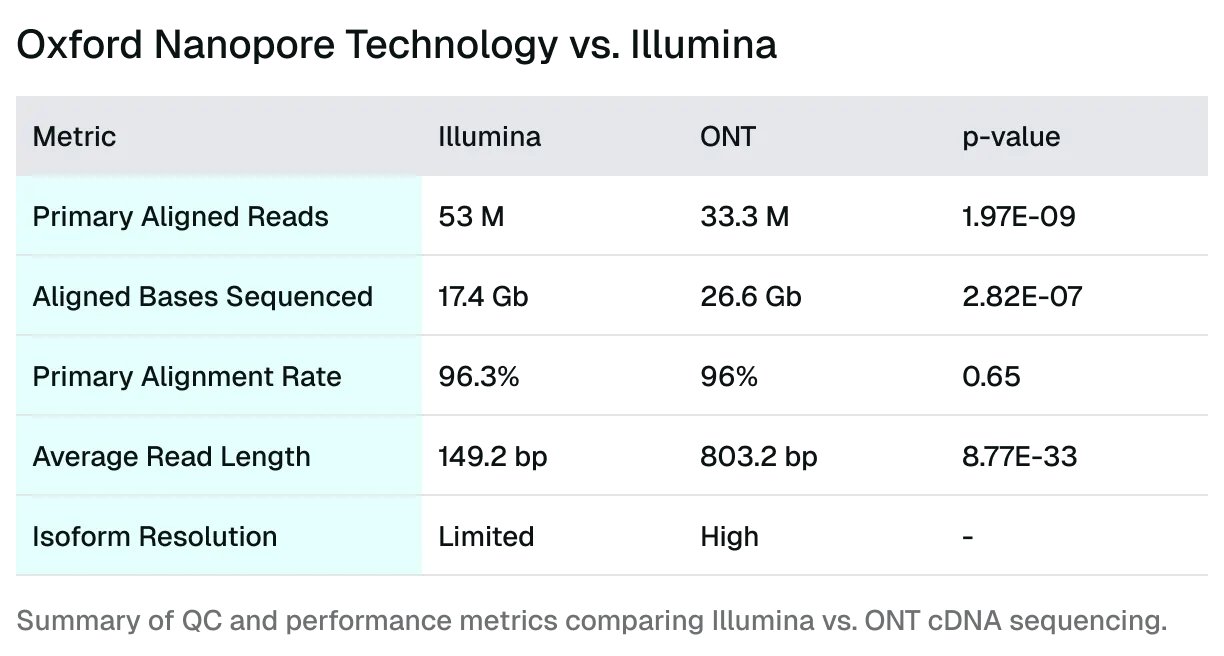
cDNA sequencing involves reverse transcribing RNA into complementary DNA prior to sequencing, whereas direct RNA sequencing analyzes native RNA molecules without conversion. Direct RNA sequencing preserves RNA modifications, while cDNA sequencing offers higher throughput and improved error correction, making it well suited for large-scale gene expression and transcript diversity studies.
Renew combines Oxford Nanopore long-read sequencing with expert bioinformatics support to deliver high-quality, full-length transcript data. Our approach enables accurate isoform detection, alternative splicing analysis, and transcript structure resolution beyond the limits of short-read sequencing.
Renew accepts high-quality total RNA or poly(A)+ RNA from a wide range of non-infectious sources, including human, animal, plant, bacterial, and viral samples. All samples must be certified as non-infectious prior to submission. Questions regarding sample quality, preparation, or shipment can be directed to our team at info@renewbt.com.
We apply quality control checks to assess RNA integrity prior to reverse transcription. If degradation is detected, our team provides guidance on sample re-preparation or workflow optimization to ensure cDNA libraries accurately reflect transcript content and minimize downstream artifacts.
Yes, we offer comprehensive bioinformatics support for cDNA sequencing data, including custom analysis workflows and one-on-one collaboration to support data interpretation and generation of publication-ready insights. Analysis options include isoform quantification, splice variant detection, expression profiling, and fusion transcript identification.